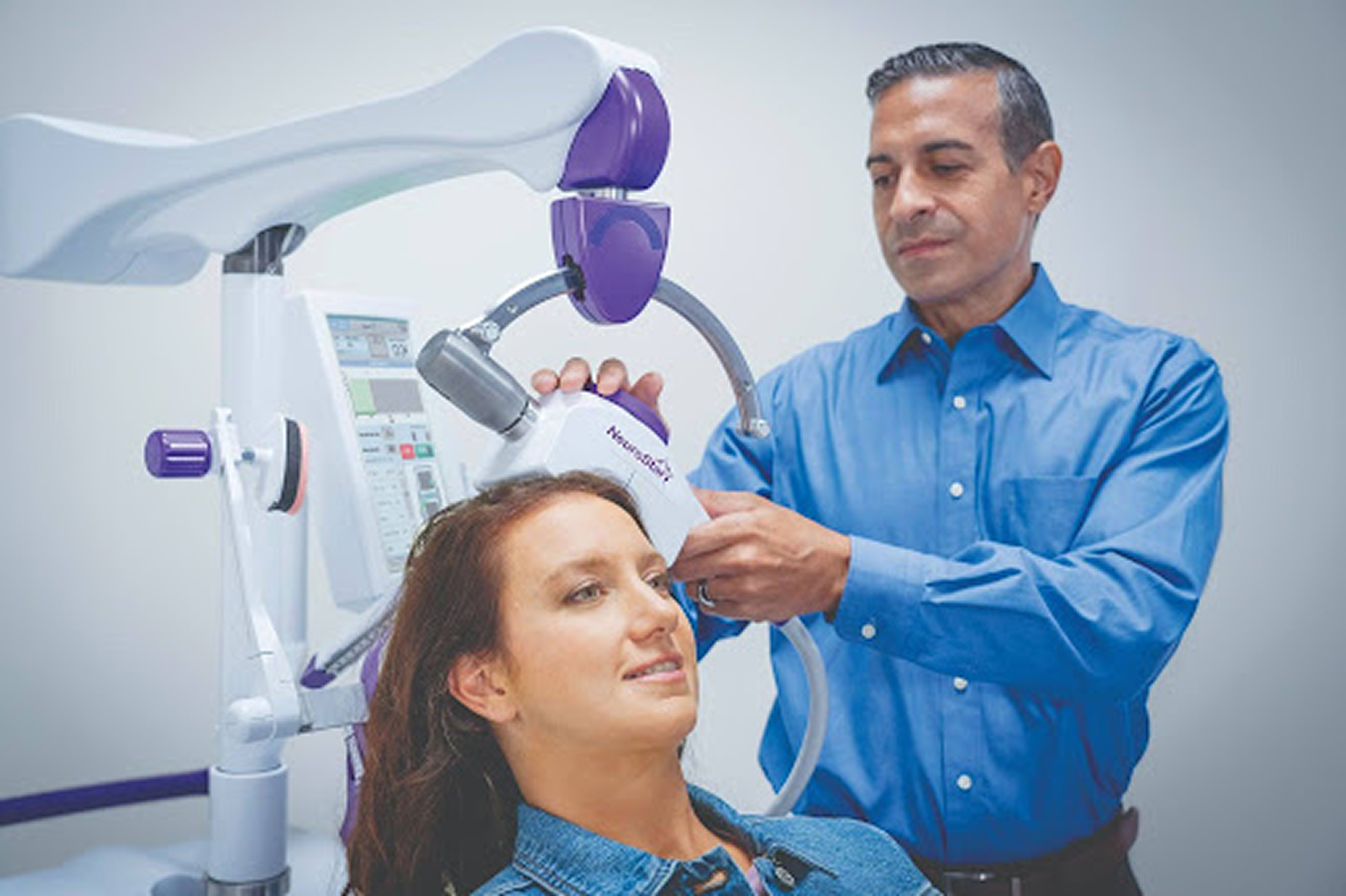
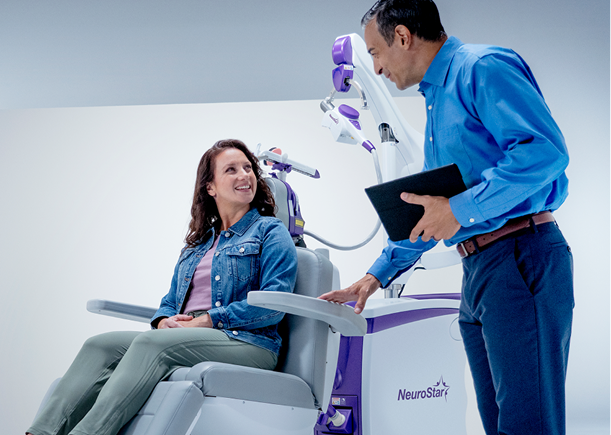
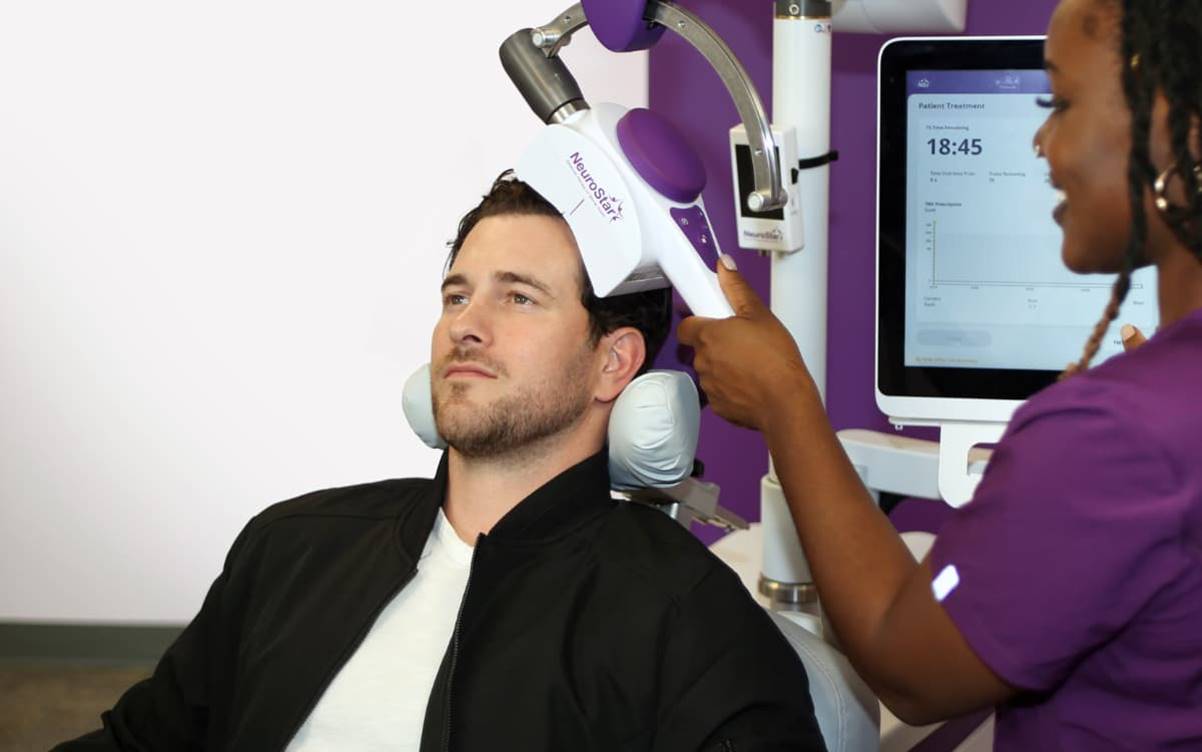
Can TMS make symptoms worse? TMS does not permanently worsen your condition, but some patients notice mild, short-term symptom shifts during their care. These brief fluctuations are usually manageable and often settle as your brain adapts to therapy. Transcranial magnetic stimulation (TMS) remains a gentle, non-invasive option for major depressive disorder and anxiety.
Any worsening symptoms should be assessed by a clinician to distinguish temporary fluctuations from adverse effects or changes in the underlying psychiatric condition.
Key Takeaways
- Recognize Temporary Changes. Some patients report fluctuations in mood, anxiety, energy, or sleep during a TMS course, but not every symptom increase represents a “TMS dip.”
- Understand the TMS Dip. The term describes a temporary worsening or fluctuation that some patients report during treatment, often around the middle portion of a course.
- Monitor Clinical Changes. Significant or persistent worsening should be communicated to the prescribing clinician rather than assumed to be a normal treatment response.
Can TMS Make Symptoms Worse?
TMS does not damage your mental health or cause permanent setbacks. While a few individuals notice short-lived ups and downs while their neural pathways adjust, clinical data shows that these shifts are temporary. Your care team can easily modify treatment settings to keep you comfortable throughout each visit.
The FDA’s safety guidance for repetitive TMS devices recognizes that worsening depression or the emergence of suicidal thoughts or unusual behavior can occur and should be monitored during treatment.
“Worsening depression or suicidality,” U.S. Food and Drug Administration
This distinction is important. A patient who feels somewhat more emotionally sensitive during treatment is not necessarily experiencing a dangerous reaction. At the same time, substantial worsening should never be automatically labeled a “dip” without clinical assessment.
The appropriate response is to report the change to the treatment team so the clinician can determine whether treatment should continue as planned, be adjusted, or require additional evaluation.
What Is the TMS Dip?

The TMS dip is an informal term used to describe a temporary period in which some patients feel worse during a course of TMS after initially feeling stable or improving.
Patients discussing TMS online commonly describe:
- Increased depressive symptoms
- Increased anxiety
- Irritability
- Emotional sensitivity
- Fatigue
- Sleep changes
- More intrusive thoughts
- A temporary return of symptoms that had previously improved
Reddit discussions show that patients can experience these changes at very different points in treatment. Some describe a dip during the second or third week, while others report symptom fluctuations later in the course. These accounts are useful for understanding what patients are experiencing, but they are anecdotal and cannot establish how common the phenomenon is or predict what will happen to another patient.
The term should therefore be used descriptively rather than diagnostically.
When Does the TMS Dip Usually Happen?
There is no single session at which a TMS dip must occur.
Patient reports frequently describe the change around the middle of a treatment course, but experiences vary considerably. Some people report changes during the first few sessions, while others describe fluctuations later in treatment.
For that reason, clinicians should pay attention to the pattern and severity of symptoms, rather than using session numbers alone to decide whether a patient is experiencing a dip.
A patient who develops a mild, short-lived change in mood may require a different response from a patient whose depression progressively worsens or whose functioning declines.
Why Might Symptoms Fluctuate During TMS?
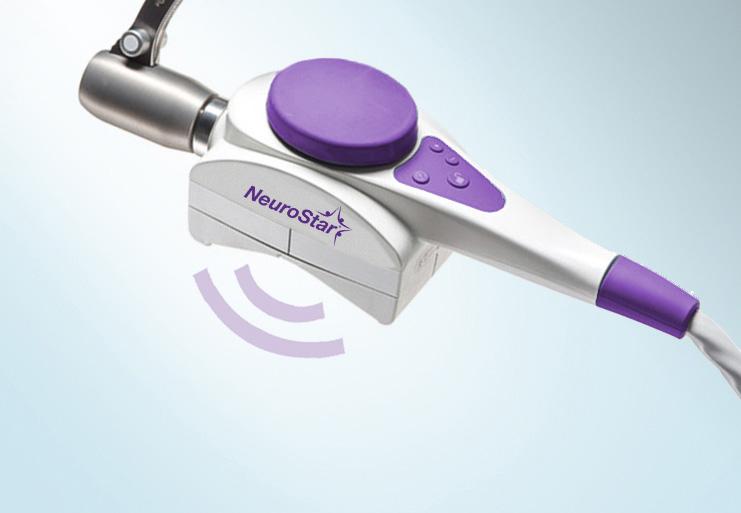
The exact reason for a reported “TMS dip” is not fully established. TMS influences activity in targeted neural circuits, and therapeutic effects generally develop over a course of repeated treatments rather than after a single session. Individual responses can also be influenced by your underlying condition, medication adjustments, sleep, and everyday stress.
Understanding the long-term effects of TMS and temporary symptom changes helps you see these brief shifts as part of your brain’s natural recalibration. A regular clinical assessment ensures your care team distinguishes short-term adjustments from broader factors affecting your mood or anxiety.
Why Do Mood Symptoms Fluctuate During Care?
Some patients report that their depressive symptoms temporarily become more noticeable during treatment.
Patients on Reddit have described experiences such as increased crying, lower motivation, fatigue, anxiety, and a temporary return of depressive symptoms. These reports demonstrate that the experience can be distressing, but they do not establish that TMS caused the worsening or that the same pattern will occur in another patient.
A patient experiencing worsening depression should communicate the change to the treating clinician.
At Center for Psychiatric Wellness, TMS is incorporated into a broader psychiatric treatment plan rather than viewed as an isolated intervention. A comprehensive psychiatric evaluation can help determine whether TMS remains clinically appropriate and whether medication management or therapy should also be adjusted.
Can Anxiety Levels Shift During TMS Sessions?
Anxiety can also fluctuate during a TMS course.
Some patients report increased anxiety, restlessness, emotional sensitivity, or sleep disruption during periods they describe as a TMS dip. However, anxiety may also fluctuate because of the underlying psychiatric condition, medication changes, stress, or other circumstances occurring during treatment.
NeuroStar is FDA-cleared for decreasing anxiety symptoms in adults with MDD who have comorbid anxiety symptoms, but individual responses vary.
Therefore, a temporary increase in anxiety does not automatically mean that the treatment is inappropriate, but it should be discussed with the treatment team.
How Does TMS Affect OCD Symptoms?
Patients receiving TMS for OCD may also notice changes in intrusive thoughts or compulsive symptoms during treatment.
Some Reddit users have described feeling that their OCD symptoms became more prominent during treatment and wondered whether this represented a TMS dip.
For patients receiving TMS for OCD, symptom tracking can be particularly useful because intrusive thoughts and compulsive behaviors may naturally fluctuate.
TMS for OCD should be considered within the appropriate clinical indication and treatment plan rather than based solely on day-to-day changes in symptoms.
What Side Effects Are Common With TMS?
TMS is generally well tolerated, and the most common side effect associated with NeuroStar is temporary pain or discomfort at or near the treatment site. Other reported adverse effects can include headache and discomfort involving areas near the stimulation site.
NeuroStar reports that fewer than 5% of patients in clinical trials discontinued treatment because of adverse events. A rare seizure risk is also described in the safety information.
The expected side-effect profile is different from the symptom changes described as a “TMS dip.”
A headache or scalp discomfort after treatment, for example, is a physical treatment-related side effect. A temporary increase in depression or anxiety is a clinical symptom change that deserves separate consideration. For a broader discussion of TMS safety and potential risks, see this guide on whether TMS therapy is safe.
How Can Patients Tell the Difference Between a TMS Dip and a Serious Problem?

A temporary fluctuation and clinically significant deterioration should not be treated as the same thing.
A relatively mild change may involve:
- A temporary decrease in energy
- Mildly increased anxiety
- Short-term mood fluctuation
- Emotional sensitivity
- Temporary sleep disruption
More concerning changes include:
- Rapidly worsening depression
- New or worsening suicidal thoughts
- Major behavioral changes
- Severe anxiety or agitation
- Significant decline in daily routines
If you or a loved one experience severe distress or thoughts of self-harm, call or text the Suicide & Crisis Lifeline at 988 for immediate, free, and confidential support.
“People should notify their doctor if they experience worsening depression symptoms, signs, or symptoms of suicidal behavior and/or unusual behavior.” NeuroStar.
Patients should therefore communicate meaningful or concerning changes to their treatment provider rather than automatically assuming that worsening symptoms are a normal part of a “TMS dip.”
What Should a Patient Do If Symptoms Get Worse During TMS?

The first step is to tell the treatment team.
Patients should not independently increase, decrease, skip, or discontinue treatment based solely on information from online forums.
The clinician can assess:
- Current symptom severity
- Changes from baseline
- Timing of symptom changes
- Medication changes
- Sleep patterns
- Other medical or psychiatric factors
- Treatment parameters
- Safety concerns
A standardized symptom scale can also help the clinician distinguish subjective fluctuations from a sustained change in symptom severity.
For patients receiving care through the Center for Psychiatric Wellness, TMS can be incorporated alongside psychiatric evaluation, medication management, and therapy when clinically appropriate.
How Is TMS Monitored During Treatment?
TMS treatment is typically delivered according to a structured schedule with clinical monitoring.
Before treatment, the clinician evaluates whether TMS is appropriate and reviews relevant safety considerations.
During treatment, the clinical team can monitor:
- Depression symptoms
- Anxiety symptoms
- OCD symptoms when applicable
- Treatment tolerance
- Changes in medications
- New medical concerns
- Changes in daily functioning
- Safety concerns
For patients interested in the treatment process itself, how NeuroStar TMS works in the brain explains the role of targeted magnetic stimulation, motor-threshold mapping, and the integration of TMS into a broader psychiatric treatment plan.
What Does NeuroStar Offer?
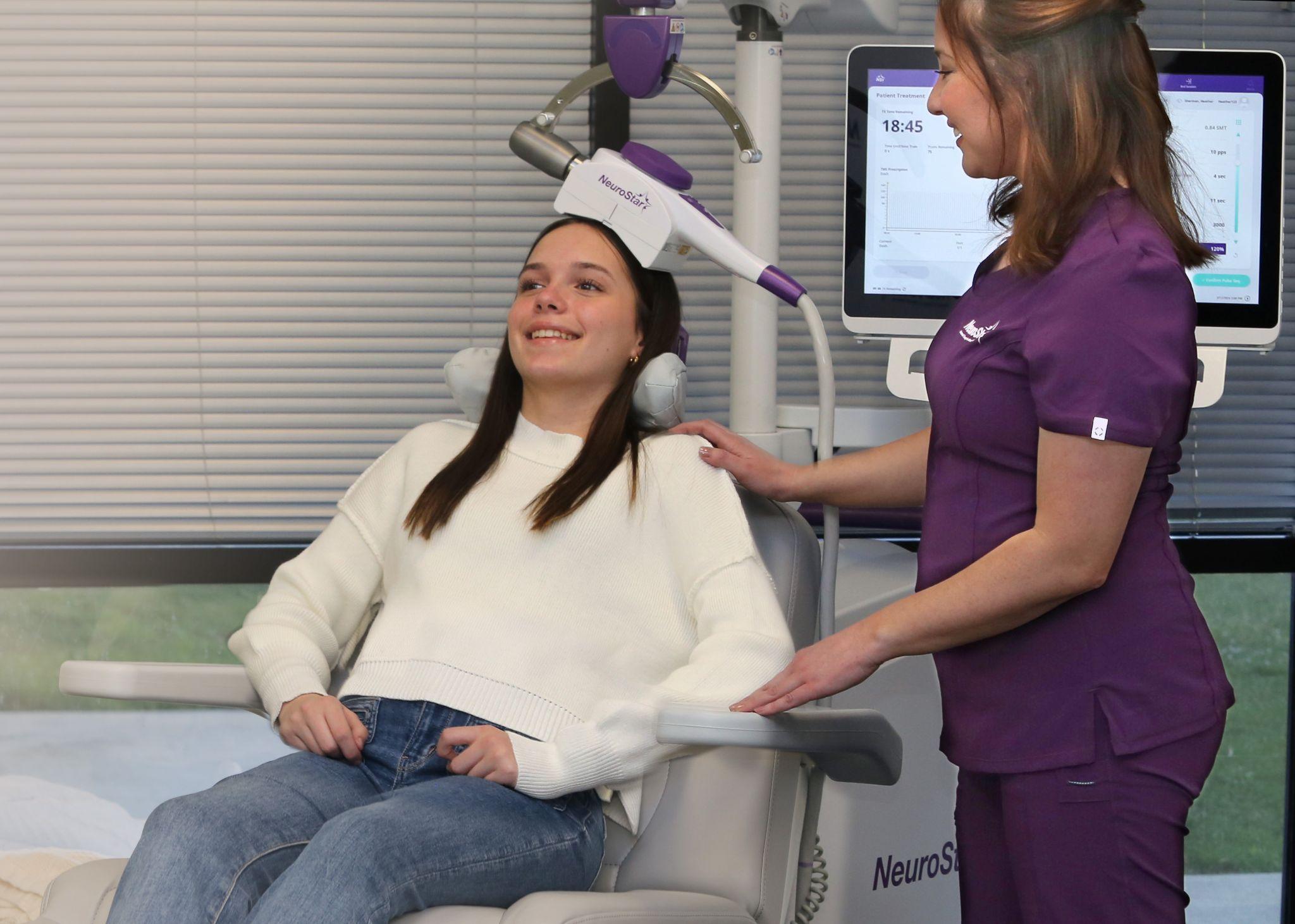
NeuroStar Advanced Therapy is an FDA-cleared TMS system used for specific psychiatric indications.
NeuroStar is FDA-cleared for adult MDD, MDD with comorbid anxiety symptoms, and adjunctive treatment of OCD in adults. It also has an FDA-cleared indication as an adjunct treatment for adolescent MDD in patients ages 15–21.
At Center for Psychiatric Wellness, NeuroStar TMS is provided as part of an integrated approach that can include psychiatric evaluation, psychopharmacology, counseling, and other appropriate services.
The goal is not simply to provide stimulation sessions. The goal is to determine whether TMS is appropriate for the individual patient and monitor the response throughout treatment.
Can TMS Be Used With Medication and Therapy?
Yes.
TMS can be incorporated into a broader psychiatric treatment plan.
Medication management may continue when clinically appropriate, while psychotherapy can provide additional support for cognitive, behavioral, emotional, or interpersonal factors.
At Center for Psychiatric Wellness, TMS is integrated with other psychiatric and therapeutic services when clinically appropriate rather than being presented as a standalone solution.
This approach is particularly relevant when patients are managing treatment-resistant depression or other complex psychiatric symptoms that may require more than one form of care.
Finding Support and Long-Term Relief
When considering treatment, many patients wonder, can TMS make symptoms worse? Fortunately, real-world evidence shows that treatment is safe, well-tolerated, and designed to support steady mental wellness. At Center for Psychiatric Wellness, our team works closely with you through every step to ensure your treatment feels supportive and effective.
FAQs
Can TMS make symptoms worse during the middle of treatment?
No, TMS does not make your underlying condition worse, although mild temporary dips can occasionally occur mid-treatment. Your brain is adapting to regular stimulation, and these brief fluctuations typically fade as you complete your prescribed sessions.
How long does a TMS dip last?
There is no established universal duration. Patient reports range from short periods of fluctuation to longer episodes. Because the term is informal rather than a standardized clinical diagnosis, duration alone should not be used to determine whether treatment should continue.
Should treatment continue if symptoms get worse?
That decision should be made with the treating clinician. Mild fluctuations may be monitored, while substantial or persistent worsening may require reassessment of the treatment plan.
Is the TMS dip dangerous?
A mild temporary fluctuation is not necessarily dangerous. However, severe depression, suicidal thoughts, major behavioral changes, or significant functional decline require prompt clinical attention rather than being dismissed as a normal dip.
Does everyone experience a TMS dip?
No. Many patients do not report a dip at all. Some experience gradual improvement, while others experience fluctuations during treatment.
References
- https://www.fda.gov/medical-devices/guidance-documents-medical-devices-and-radiation-emitting-products/repetitive-transcranial-magnetic-stimulation-rtms-systems-class-ii-special-controls-guidance
- https://neurostar.com/side-effects/